European Commercial Pilot Training: Costs, Timeline, and Process
For many aspiring aviators, Europe holds a particular appeal. The training environment is disciplined, the regulatory framework is respected worldwide, and the route from first lesson to airline flight deck can be remarkably elegant when it is planned well. Yet elegance does not mean simplicity. Commercial pilot training in Europe asks for money, stamina, precision, and a realistic understanding of how licensing actually works under EASA, the European Union Aviation Safety Agency.
People often arrive with one of two misconceptions. The first is that pilot training is a glamorous purchase, much like acquiring any other luxury qualification, where fees alone secure the outcome. The second is that it is merely a technical course that can be reduced to a spreadsheet. Neither is true. Training is a serious professional undertaking with expensive consequences for poor decisions. The polished academy brochures, immaculate fleets, and airline tie-ups can be enticing, but what matters in practice is the integrity of the school, the quality of instruction, the weather, the aircraft availability, the visa and work rights position if you are a non-EU student, and whether the licence you earn truly serves the career you want.
Done properly, European commercial training offers a refined, internationally portable route into professional flying. Done carelessly, it can drain well over flight school six figures and leave a student holding a licence that does not match the hiring market they intended to enter.
The licence path, in plain English
When people say they want to become a commercial pilot in Europe, they are usually talking about obtaining a frozen ATPL under EASA rules. That phrase sounds more mysterious than it is. A frozen ATPL means you have completed the training and exams required to work as a commercial airline pilot, but you have not yet built the flight time needed for the full, unfrozen Airline Transport Pilot Licence. In practical terms, it is the credential most newly hired first officers carry.
The classic route begins with a Private Pilot Licence, then moves through hour building, instrument training, commercial training, multi-engine qualifications, and the ATPL theory exams. Many students also complete a Multi-Crew Cooperation course, usually called MCC, and often a Jet Orientation Course, or JOC, before applying to airlines. Some integrated academies package all of this into one programme. Modular training spreads it into separate stages that can be completed at different schools and over a longer period.
The end point is similar, but the journey feels very different.
Integrated courses suit students who want structure, pace, and a single-provider experience. They are often marketed as premium products, with fixed timetables, uniforms, formal assessments, and direct airline branding. Modular training is more bespoke. It can be less expensive, more flexible, and more forgiving if finances need to be managed carefully. It also demands more self-direction and better judgment. Students who thrive in modular training tend to be calm organisers. They ask hard questions, compare aircraft rates, and choose each phase with purpose.
What training actually includes
A full commercial pilot training package in Europe is not just flight time. That is where many first budgets go wrong. The headline fee on a school website might cover only the advertised core course, while the final bill includes examinations, landing fees, headset purchase, medicals, accommodation, licence issue charges, and retest costs if anything slips.
A typical EASA professional training journey can include the following elements:
- Class 1 medical assessment
- PPL, or credit for prior experience if already licensed
- ATPL theoretical knowledge instruction and exams
- CPL, IR, and multi-engine training
- MCC and often JOC, plus licence issue fees
Even that neat summary misses the texture of the process. A Class 1 medical can be straightforward for one student and career-defining for another. The PPL stage is where many people discover whether they truly enjoy the routine disciplines of aviation, not just the romance of flight. ATPL theory is often the most academically relentless portion, dense with meteorology, systems, performance, navigation, and regulation. Instrument training then changes the style of flying completely. Students who looked graceful in visual circuits sometimes struggle the first time they are asked to scan six instruments while intercepting a hold in poor weather.
The cost, realistically
For a fresh student starting from zero, a full EASA integrated programme in Europe typically lands somewhere between €80,000 and €120,000, sometimes more at prestige academies or in high-cost locations. Modular pathways can often be completed for less, perhaps around €60,000 to €90,000, but only when planned carefully and with discipline. If training stretches out, or if multiple retests occur, the modular route can lose its price advantage.
Those numbers are broad because Europe is not a single market in practice. Spain, Portugal, Greece, Poland, Hungary, the Czech Republic, and the Baltic states may offer lower training and living costs than France, Germany, the Netherlands, or certain UK-based schools operating under non-EASA structures. Fleet type matters too. Training in a modern glass-cockpit aircraft may cost more than in an older analogue trainer. Some students value that premium because it shortens the transition to airline-style procedures. Others would rather keep costs down and focus on fundamentals.
The hidden expenses deserve special respect. I have seen students budget beautifully for tuition and then stumble over the accumulation of smaller charges that arrive with monotonous certainty. A realistic reserve should cover:
- Examination and licence authority fees
- Headset, charts, manuals, and uniform items if required
- Accommodation, transport, and food during training
- Retest or extra flight hours if progress slows
- MCC, JOC, and type rating related costs not included in the main course
That final point matters because some academies advertise a path to the airlines without including everything that makes a graduate truly competitive. One school may quote an attractive total but exclude MCC and JOC. Another may include them yet leave type rating entirely to the student after hiring. Some airline-sponsored pathways cover far more, but they are selective and often bind the candidate to particular conditions.
A refined financial plan does not assume best-case performance. It assumes at least a little weather disruption, some inefficiency, and the possibility that one or two areas may require extra training. The students who remain calm are usually the ones who built a reserve of ten to fifteen percent beyond the published fee.
Integrated versus modular, the real trade-off
This is less a question of which model is superior, and more a question of which temperament the student brings to training.
Integrated programmes provide momentum. You enter a defined system, follow a sequence, and emerge with a package that is easy for recruiters to interpret. Well-run academies create an environment that feels polished and serious. There may be standardisation departments, student progress boards, dedicated theory classrooms, and fleets maintained to a high visual and operational standard. For some people, especially those transitioning directly from school or university, this structure is worth the premium.
The downside is cost, rigidity, and concentration of risk. If the school underperforms, you are deeply committed. If you need time away for health, family, or finances, the timetable may not accommodate it gracefully. You are also buying the academy’s choices, their aircraft, their instructor mix, their pace, their weather.
Modular training, by contrast, gives you control. You can complete a PPL close to home, build hours in a sunny region with lower aircraft rental rates, take ATPL theory at a respected distance-learning provider, then complete CPL, IR, and multi-engine phases at a specialist school. This route can be intelligent and cost-efficient. It can also become disjointed if each phase is chosen on price alone. Airlines do not dislike modular training, despite outdated assumptions, but they do notice inconsistency and weak proficiency. A modular student who arrives polished, well prepared, and disciplined is often viewed very favorably.
One of the best modular success stories I witnessed involved a student who completed PPL in northern Europe, hour building in southern Spain, theory through a rigorous remote provider, and advanced training in an Eastern European school with excellent simulator access. He spent less than many integrated students and finished with stronger instrument skills than some academy graduates. The key was not luck. It was planning, scrutiny, and a refusal to be seduced by marketing.
How long it takes
For a full-time student, integrated training often takes around eighteen to twenty-four months. Some schools advertise shorter timelines, but those are usually optimistic and assume uninterrupted progress. Weather, aircraft maintenance, instructor shortages, theory exam scheduling, and regulatory admin all have a way of humbling glossy timelines.
Modular training can be completed in a similar timeframe if pursued aggressively, but it more commonly stretches to two to four years. That is not necessarily a problem. A slower pace can reduce debt pressure and improve learning retention, especially for mature students balancing work or family responsibilities. What matters is avoiding long periods of inactivity. Flying is perishable. Instrument competence fades quickly. A student who does ten intensive weeks of strong flying and then pauses for eight months often returns weaker than expected.
The ATPL theory phase alone deserves realistic scheduling. There are fourteen exams under EASA. Some students can handle this with brisk efficiency. Others find the volume of memorisation and procedural detail surprisingly demanding. It is not unusual for otherwise capable candidates to underestimate subjects such as general navigation, flight planning and monitoring, or air law. A school that promises easy progress here should be treated with caution. Serious theory instruction is not glamorous, but it saves anguish later.
Medicals, language, and legal right to work
A Class 1 medical should come early, ideally before any significant financial commitment. This is not pessimism. It is common sense. Vision, cardiovascular findings, hearing, previous mental health history, medication use, and even seemingly minor issues can affect eligibility. Many candidates pass without difficulty, but a luxury decision is still a disciplined decision. Verify fitness first.
English language proficiency matters just as much. European training can be conducted in English at many schools, but operational fluency is not optional. Aviation English is concise, technical, and unforgiving of hesitation. Students with conversational English sometimes discover that radio telephony under pressure feels very different. If you are investing heavily, it is worth strengthening English before training begins.
For non-EU nationals, visa status and future work rights deserve meticulous review. A licence is not a work permit. This sounds obvious, but the number of people who train in Europe without a realistic route into the regional job market is higher than it should be. Some intend to convert the licence elsewhere later, which can be sensible, but conversion costs and regulatory friction should be anticipated from the start.
Choosing the right school
The finest schools tend to reveal themselves not through their branding, but through the quality of their answers. When you ask about aircraft availability, they answer specifically. When you ask how often lessons are cancelled for maintenance, they give context rather than theatre. When you ask how many students finish on time and on budget, they do not evade.
A school worth serious consideration should be judged on fleet reliability, instructor continuity, actual student progression, weather suitability, simulator quality, and whether the training culture is calm and exacting rather than chaotic. Visit if possible. Sit in the briefing rooms. Observe dispatch. Look at the condition of the aircraft interiors, not just the paintwork. Talk to current students without staff nearby. Ask them how often they fly each week, how many instructor changes they have had, and whether admin delays have affected exams or licence paperwork.
The luxury tone of an academy can be pleasant, but true quality in pilot training is quieter. It looks like schedules that hold, instructors who brief deeply, and aircraft that are clean because the operation respects detail.
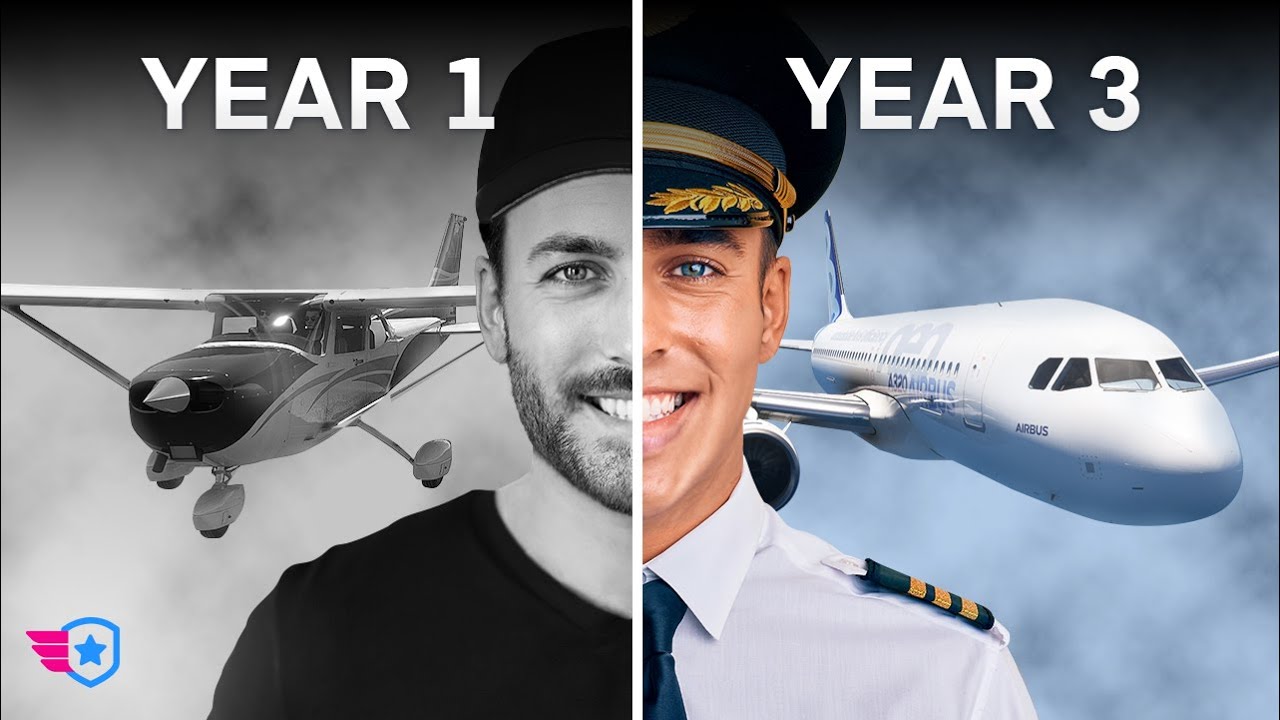
The process from first lesson to airline application
At the beginning, progress feels charmingly tactile. You learn checklists, taxi technique, basic handling, circuits, radio calls, and landings. Those first twenty or thirty hours often shape a student’s confidence for years. A good instructor during this stage is worth far more than a stylish campus. They teach discipline without crushing enthusiasm.
Then the training becomes more procedural. Navigation flights introduce planning habits and weather judgment. Hour building, where applicable, can be one of the most enjoyable stretches if approached thoughtfully. Students cross borders, work through real route planning, and begin to feel less like passengers https://aeloswissacademy.com/ manipulating controls and more like aviators managing a moving system.
ATPL theory tends to compress life into study blocks, question banks, and periodic examinations. There is nothing cinematic about it. It is exacting, often lonely work. Yet it forms the cognitive spine of professional flying. The candidates who treat theory as a box-ticking exercise are usually exposed later in instrument training, where weak systems understanding or shaky performance knowledge becomes obvious.
The CPL and instrument rating phases are where students are remade. Precision matters. Tolerances matter. Scan discipline matters. Multi-engine training adds urgency and technical finesse. An engine failure in a twin during training is controlled and rehearsed, of course, but it is often the first time a student fully appreciates that commercial flying is not merely about making the aircraft move elegantly. It is about managing risk in narrow margins while maintaining composure.
MCC then introduces the social architecture of the airline cockpit. Flying becomes collaborative, verbal, and highly structured. Some students who were brilliant solo pilots need time to adapt. Others come alive in the crew setting. JOC, when included, adds a layer of jet-style handling and operational thinking that helps bridge the gap to airline selection and type rating.
Type ratings and the first job
This is where dreams meet market reality. A frozen ATPL does not place you automatically into an airline seat. Some carriers recruit cadets directly and provide or finance the type rating. Others expect the candidate to fund it privately after a job offer, and some historically expected self-sponsored ratings before employment, though market conditions shift over time.
A type rating for an Airbus A320 or Boeing 737 can cost tens of thousands of euros if self-funded, often somewhere around €20,000 to €35,000 depending on provider and package. Not every graduate will need to face that cost directly, but anyone training for the airlines in Europe should understand the possibility. It changes the true financial picture.
Recruitment also moves in cycles. There are years when regional and low-cost carriers hire assertively, and years when the queue of freshly licensed pilots grows longer. This is why school selection matters so much. Training quality cannot create a hiring boom, but it can position you to be competitive when openings appear.
Where students most often lose time and money
The recurring mistakes are surprisingly consistent. Some begin without a confirmed medical. Some choose purely on sticker price and land in under-resourced schools with irregular flying schedules. Some underestimate living expenses and are forced into disruptive pauses. Others treat theory lightly, then pay later in resits and slower training progression.
A more subtle problem is chasing aesthetics over outcomes. Students are understandably drawn to academies with immaculate lounges, polished uniforms, and airline-branded photo opportunities. There is nothing wrong with an elegant environment. In fact, professionalism in presentation can reflect operational discipline. But it is not the same thing as instructional quality. A modest school with excellent dispatch, committed instructors, and consistent aircraft serviceability may produce better pilots than a glamorous academy that overpromises and underdelivers.
A sensible budget mindset
The smartest students think in phases, not just totals. They want to know when major expenses fall due, whether financing is fixed or variable, how much reserve capital they need, and what the fallback plan looks like if airline hiring softens after graduation.
For some, the premium choice is a high-calibre integrated academy with strong airline relationships and a stable reputation. For others, the more sophisticated decision is modular training assembled carefully across two or three excellent providers. Luxury, in this context, is not excess. It is control. It is selecting quality where it changes outcomes, and refusing to pay for vanity where it does not.
If a family is funding the training, transparency matters. I have seen calm, successful programmes where the student and sponsor reviewed expected expenses quarterly, adjusted for delays, and made no emotional decisions under pressure. I have also seen situations where the published school fee was treated as the whole story, and the surprise of ancillary costs created unnecessary tension. Aviation rewards clarity.
What makes Europe attractive
Europe remains compelling for several reasons. EASA licences are respected, the training ecosystem is mature, and many schools operate in environments that allow serious professional development from an early stage. There is also a cultural advantage. Students often train alongside peers from multiple countries, adapt to varied airspace structures, and become comfortable with procedural flying in busy, regulated environments. That experience has real value later.
Weather can be both a challenge and a virtue. In parts of northern Europe, delays are common enough to frustrate the impatient. Yet those same conditions can create stronger weather judgment and more authentic instrument experience. Southern European bases, meanwhile, can be excellent for continuity and efficient hour building. The best strategy often combines both logic and climate rather than relying on one romantic idea of where training should happen.
The polished answer to the question everyone asks
How much does it cost, how long does it take, and how hard is the process?
The polished answer is this. Expect roughly €60,000 to €120,000 or more, depending on route, school, location, and what is included. Expect around eighteen months to two years for a smooth full-time path, and longer if you train modularly or part-time. Expect the process to be demanding in ways that are academic, technical, emotional, and financial all at once.
For the right candidate, though, it is one of the rare professional journeys where discipline and beauty coexist. Few careers ask you to master systems, weather, law, communication, and machine handling so completely. Fewer still reward that mastery with a view from the flight deck over the Alps at sunrise, knowing the work was exacting and every step had to be earned.
That is the true shape of European commercial pilot training. It is not merely a purchase, and it is not merely a dream. It is a crafted passage into a profession, expensive enough to require discernment, rigorous enough to demand respect, and rewarding enough to justify both.